
 James Daniel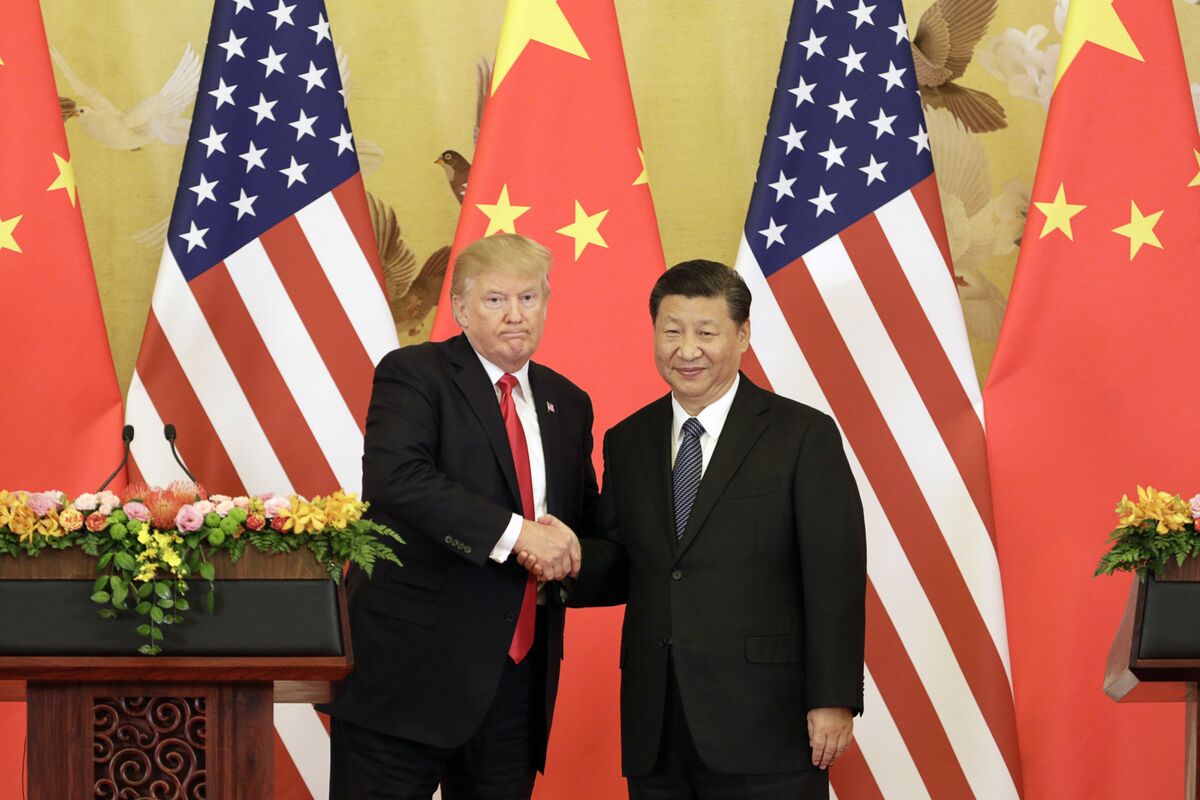
Understanding How Countries Are Classified by Development
Country classifications are fundamental tools for analyzing the global landscape of economic and social development. These categorizations, established by international organizations, serve various critical purposes, including informing the allocation of international aid, shaping trade policies, guiding investment strategies, and providing a framework for academic research. This article focuses on four key categories of development status: Least Developed Countries (LDCs), Developed Countries, Emerging Economies, and Advanced Developed Countries.
In everyday conversation, calling a country developed means it’s wealthy and its people generally enjoy comfortable, secure lives. Calling a country developing implies it’s poorer and has more challenges to overcome. The United Nations, for example, historically classified nations as developed, developing, or in transition based on “basic economic country conditions. Developed countries tend to have diversified, industrialized economies and high living standards; developing countries have more agrarian or resource-based economies and lower living standards. The poorest subset of developing countries are often labeled Least Developed Countries (LDCs) – nations with especially low incomes, vulnerable economies, and poor human development indicators. As of mid-2020s, the UN recognizes around 44 LDCs, mostly in Africa and Asia, which are entitled to special support like aid and trade benefits.
These labels are shorthand and come with caveats. Even experts don’t have one single definition for a “developed country.” For instance, the International Monetary Fund (IMF) uses terms like advanced economies, emerging marketeconomies, and low-income countries – considering factors from income levels to export diversity. The World Bank takes a simpler approach by sorting countries into income brackets: low-income, lower-middle, upper-middle, or high-income based on Gross National Income per person. In practice, “high-income” is often synonymous with “developed.” (For perspective, the World Bank currently defines high-income as above about $13,000 GNI per capita) Meanwhile, the UN’s Least Developed category uses not just income but also measures of education, health, and economic stability. In short, developed vs. developing is a convenient way to group countries by overall prosperity and quality of life – but it glosses over a lot of nuance.
How Do We Measure Development?
How do we actually determine where a country falls on the development scale? There are several key criteria used to classify a country’s development status. Here are some of the main measures, and examples of what they mean in real life:
- Income per Person (GNI per capita): This is the average yearly income of a country’s citizens. It’s a core metric for classification. High-income countries (developed) like Norway have a GNI per capita over $100,000, whereas countries like Nigeria are around $2,000. A higher number suggests people, on average, earn more and can afford a better standard of living. Low-income nations (under about $1,085 per person) are typically considered least developed.
- Human Development Index (HDI): Not just income, but how people live. The HDI is a composite of life expectancy, education level, and per-capita income. It rates countries on a scale from 0 to 1. Developed countries almost always score 0.8 or above on HDI (meaning long lives, many years of schooling, and decent incomes). For example, Norway’s HDI is about 0.96 (one of the highest in the world), indicating very high human development. In contrast, a country like Zimbabwe has an HDI around 0.55–0.60, reflecting lower life expectancy and education outcomes. The closer a country’s HDI is to 1, the more “developed” it is considered.
- Industrialization and Infrastructure: Developed nations are usually highly industrialized – they have a wide range of industries (from manufacturing to high-tech services) and only a small share of their workers in agriculture. They also have modern infrastructure: reliable electricity, extensive paved roads and transportation networks, and widespread internet access. By comparison, developing countries may rely heavily on agriculture or mining and have gaps in infrastructure. For instance, a developed economy might have bullet trains and 24/7 electricity, whereas a developing one could have frequent power outages or unpaved rural roads. Having diversified industries and robust infrastructure is a hallmark of development.
- Standard of Living (Health & Education): Quality healthcare and education are both cause and result of development. Developed countries tend to have high literacy rates and the majority of children completing secondary or higher education. They also have accessible healthcare, leading to healthy populations. As a result, developed nations usually see long life expectancies and low infant mortality. For example, in Japan (developed), life expectancy is 84 years and infant deaths are extremely low (2 per 1,000 births). In many developing countries, life expectancy can be decades shorter and infant mortality higher due to limited healthcare and nutrition. Access to clean water, adequate food, and sanitation also falls under this umbrella – things often taken for granted in rich nations but still challenges in poorer ones.
- Governance and Stability: While harder to quantify, good governance and political stability are often associated with higher development. Developed countries usually have stable governments, strong institutions, and lower levels of corruption, which create an environment where businesses can thrive and public services are delivered effectively. In developing countries, conflict, corruption, or weak institutions can hinder progress. For instance, effective governance helped countries like South Korea rapidly industrialize, whereas governance issues have held back some resource-rich developing nations. A business-friendly climate and rule of law tend to coincide with development.
These criteria are interconnected – for example, better infrastructure can boost incomes; higher education can improve governance; stability can attract investment, and so on. No single factor makes a country “developed,” but taken together these indicators paint a picture of how far along the development path a nation is.
Why Does Development Classification Matter?
You might ask: why do these labels – developed, developing, least developed – actually matter? It turns out they have real-world implications for investment, aid, and trade policies across the globe. Why Does Development Classification Matter?
Investment: Being seen as developed or developing can influence investor confidence and business decisions. Investors often categorize markets as developed markets or emerging markets. Many investment funds, for example, are designated to invest in emerging (developing) economies or avoid them, depending on risk appetite. When a country improves its status – say from low-income to middle-income – it can attract new investment as a sign of stability and opportunity. An example is Kenya’s graduation to middle-income status, which boosted its image as a credit-worthy economy and gave investors more confidence. Conversely, if a country is classified as very high-risk or underdeveloped, investors may be wary, or they may demand higher returns to compensate for risk (like unstable currency or weak legal protections). In short, the classification sends a signal: developed economies are generally seen as safe but low-growth, while developing economies are viewed as higher-risk but potentially higher-growth frontiers for investment.
Aid and Loans: International aid organizations and development banks use these classifications to determine who gets help on softer terms. Typically, developing and especially least developed countries are eligible for grants, debt relief, and low-interest loans that developed countries do not receive. For instance, the World Bank’s International Development Association (IDA) offers zero- or low-interest loans to low-income countries, but once countries grow richer, they “graduate” and must borrow on regular market terms. The World Trade Organization (WTO) and United Nations programs similarly allow developing countries special treatment – the WTO, for example, has provisions where developing countries can protect certain industries longer or receive technical assistance. The reason is to give poorer nations a leg up to develop. On the flip side, when a country moves out of the least-developed category, it can lose access to some of these benefits. (This is one reason why the exact definition of “developing” can become political – countries might prefer to stay classified as developing to keep aid benefits.) A clear case is the UN’s Least Developed Countries list: being on it entitles countries to preferential aid and trading privileges. Thus, the stakes are high. Development status can literally affect billions of dollars in aid flows and the affordability of financing for infrastructure projects.
Trade: Development classification also plays a role in global trade rules. Developed countries often grant preferential market access to products from developing countries, especially LDCs. For example, the European Union’s “Everything But Arms” initiative lets least developed countries export most goods to the EU with zero tariffs. Similarly, the United States and other developed markets have Generalized System of Preferences (GSP) schemes cutting tariffs for developing country imports. These trade preferences are designed to stimulate growth in poorer nations by making it easier for them to sell goods abroad. If a country is no longer considered developing (i.e. it becomes high-income), it may no longer qualify for such one-way trade perks. On the other hand, developing countries themselves often receive longer deadlines to implement certain international trade agreements and can protect their farmers or industries with higher tariffs under WTO rules meant to acknowledge their needs. In summary, being classified as developing can bring advantages in trade deals that help those economies integrate into global markets on a more equitable footing.
World Examples
Canada: Canada is another developed country, known for its high standard of living. It’s the world’s 9th-largest economy, with a diverse economic base including natural resources (energy, minerals, agriculture) as well as manufacturing and services. Canadians benefit from a mix of economic prosperity and social programs; for example, Canada has a publicly funded universal healthcare system and high levels of educational attainment. With a GDP per capita over $50,000, Canada’s average citizen is economically secure by global standards. The country also invests heavily in infrastructure and technology and is a leader in clean energy usage. All these factors reinforce Canada’s status as a developed nation.
Zimbabwe: Zimbabwe is often cited as an example of a country with severe development struggles. Once relatively prosperous, Zimbabwe’s economy has been plagued by crises over the past few decades. It experienced devastating hyperinflation (prices rising out of control) in the late 2000s and again in recent years, which wiped out savings and incomes. The country has faced cash shortages, international sanctions, and political instability. As a result, many Zimbabweans lack access to consistent jobs, and public services have deteriorated. Today Zimbabwe is classified as a low to lower-middle-income country with high poverty rates. Infrastructure is in need of investment; for example, power outages are common and roads and hospitals are often in poor condition. Zimbabwe’s Human Development Index is low, reflecting shorter life expectancy and limited schooling for many citizens. In development terms, Zimbabwe would be near the “least developed” end of the spectrum – it relies on agriculture and mining, and a large portion of the population engages in subsistence farming. However, Zimbabwe is also a country with potential: it has a well-educated workforce for its income level and natural resources. In theory, with economic and governance reforms, it could climb the development ladder. The government has even set an ambitious goal to become an upper-middle-income country by 2030, which shows the aspiration to shake off the “developing” status. For now, though, daily life in Zimbabwe illustrates the challenges of under-development – from unreliable currency to limited healthcare – that classification schemes try to capture.
China: With 1.4 billion people, China is often called the world’s largest developing country – a phrase that surprises some, given China’s massive economy. By total GDP, China is the second richest country on Earth (over $17 trillion in output), but this doesn’t tell the whole story. China’s GDP per person is much lower: around $12,000, which is firmly in the middle-income range. This means the average Chinese citizen is several times poorer than the average person in a developed country like Canada. China’s development is very uneven: coastal mega-cities like Shanghai and Shenzhen are highly modern and wealthy, while rural interior regions remain relatively poor. In the past four decades, China has lifted hundreds of millions out of extreme poverty – a remarkable development feat – yet it still has millions living on low incomes. In global forums, China insists it is still a developing nation, citing its per capita income and remaining development needs.
In conclusion, thinking of development as a spectrum helps us approach global progress as a shared journey rather than a divided world. The classifications of developed, developing, and least developed are useful tools for understanding where countries stand and how the international community can support them. They remind us why Norway or Canada can invest abroad, while Zimbabwe or Haiti might need foreign aid. It is also important to recognize that country classifications are not always static and can evolve over time due to various factors such as economic growth, social progress, and changes in the criteria used by international organizations, as evidenced by the graduation of countries from the LDC category. Furthermore, the HDI provides a valuable multi-dimensional perspective on development, extending beyond purely economic indicators to encompass crucial aspects of human well-being. Understanding these classifications and the HDI is essential for comprehending global development trends, identifying disparities, informing policy decisions, and guiding international cooperation efforts aimed at fostering sustainable and inclusive development worldwide.
Discover more from sbnn
Subscribe to get the latest posts sent to your email.

 Correspondent