 Correspondent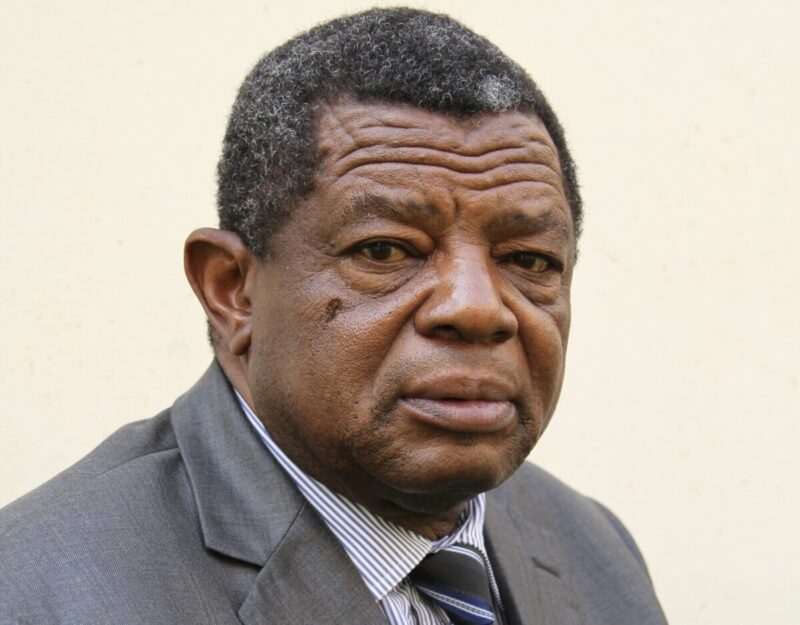
Cde Bombshell Blessed Geza
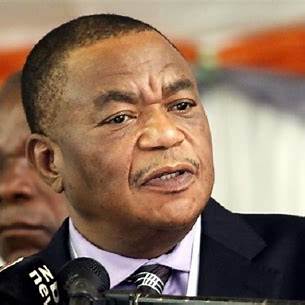
Harare – Zimbabwe’s unfolding story is increasingly framed as a biblical drama. Geza, once an insider within ZANU PF, is now cast as a Moses-like figure confronting President Emmerson Mnangagwa, the Pharaoh of our times.
Moses began his journey within Pharaoh’s palace. He understood the corridors of power before he chose to stand with the oppressed. Geza’s path is similar. He once belonged to the inner structures of ZANU PF but now challenges the very system that nurtured him. His insider knowledge gives him rare authority to face Mnangagwa, something ordinary critics cannot easily achieve.
Like Moses, Geza has had allies who amplified his voice. Nyokayemabhunu once served as an Aaron-like figure, speaking alongside him. But Nyoka has since been cancelled and is believed to be incarcerated in South Africa. His silence raises questions. Why has Geza remained untouched while others around him face repression? Some point to divine protection, others to hidden political calculations.

In the absence of trusted lieutenants, social media has become Geza’s Aaron. Digital platforms amplify his words, turning them into rivers that reach far beyond Zimbabwe’s borders. Animated critics like Gambangwe, Rumbie, the sharp-tongued touchliner Tendai Biti, and journalist Hopewell join this chorus. Yet Geza stands apart. His past in ZANU PF and his spiritual imagery elevate him above the rest.
This prompts new questions. Where is his staff? Which symbolic river will he turn into blood? For now, his weapon is speech, carried through social media. Whether those words can part the Red Sea of Zimbabwe’s hardship is still unclear.
President Mnangagwa, like Pharaoh, appears unmoved. In public, he shows no sign of concern. He seems not to care about Geza’s voice or movement. Yet Pharaoh too once hardened his heart, ignoring Moses until the plagues struck Egypt. What ED thinks privately remains hidden.
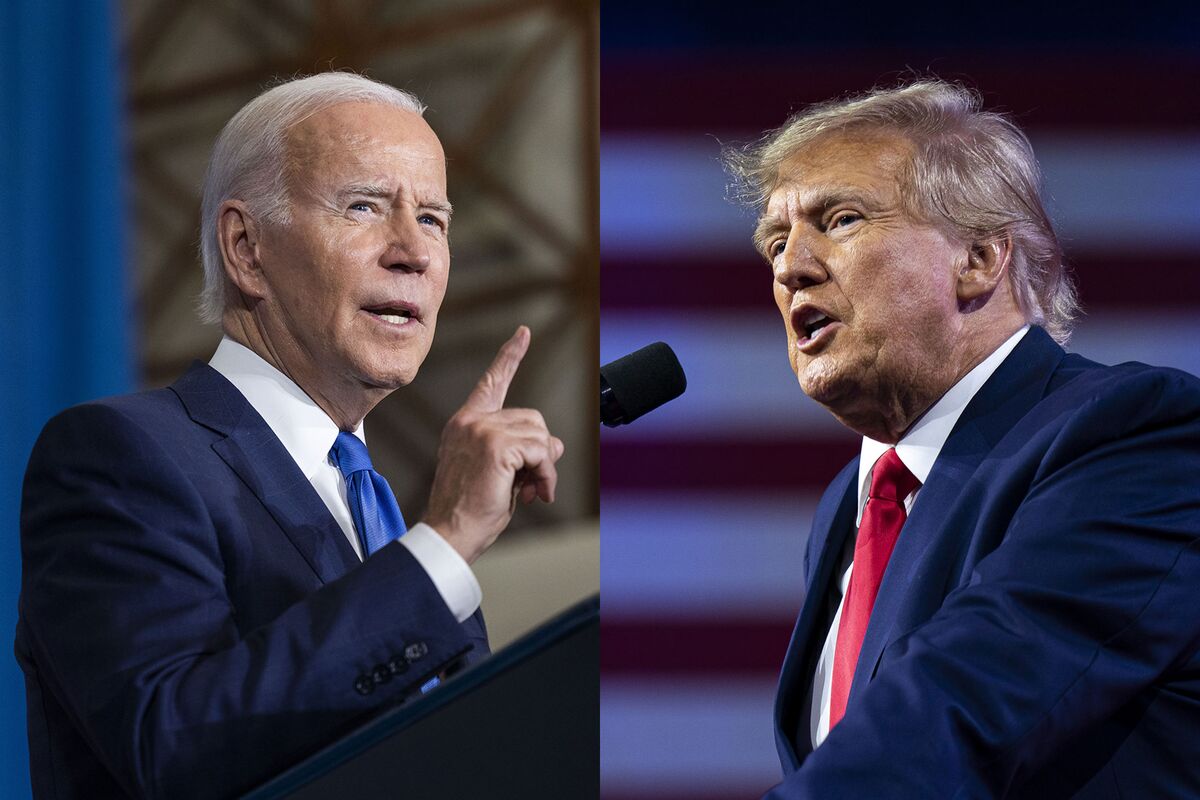
Some even compare Mnangagwa to Donald Trump. Both appear hardened, resistant to criticism, and skilled at controlling narratives. Trump thrives on populism and division. ED thrives on state power, patronage, and fear. Both publicly dismiss their critics while calculating privately.
Despite these tensions, Zimbabwe continues with business as usual. The completion of the Mbudzi interchange was celebrated, though comically renamed Trabablas in a way many found absurd. In Mabvuku, another exchange project is tearing hearts between poverty and development. While infrastructure rises, communities are displaced, and daily survival becomes harder.
The business landscape reflects another paradox. Chinese firms dominate major projects, sidelining local entrepreneurship and leaving a trail of reported environmental damage. Small business voices are drowned out by mega-deals that prioritize foreign investors over Zimbabwean innovators. This domination raises questions about sovereignty and fairness in economic growth.
Do business leaders have a say? Increasingly, they appear like the sheep of Orwell’s Animal Farm, repeating slogans while real power lies elsewhere. Entrepreneurship, once hailed as Zimbabwe’s hope, now struggles under the shadow of foreign dominance and state capture.
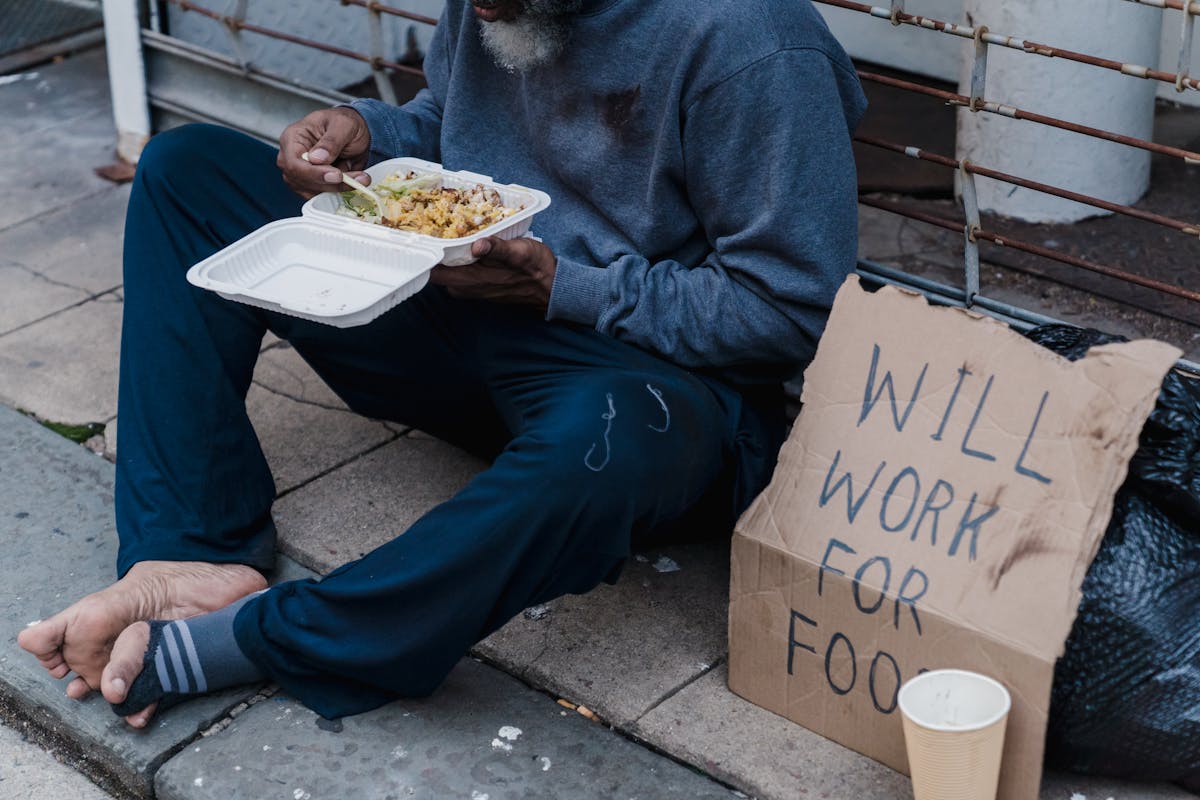
For ordinary citizens, these contradictions are crushing. They see gleaming roads and bridges while hunger gnaws at families. They hear promises of progress while joblessness drives the youth abroad. The cry for deliverance remains, echoing louder with each broken promise.
Geza stands in this contradiction as a symbolic Moses. He embodies both palace and wilderness. He once belonged to Pharaoh’s household but now demands freedom for the oppressed. His challenge is both political and spiritual. He speaks of justice, but also destiny.
Mnangagwa, as Pharaoh, may continue to harden his heart. Yet history shows that no ruler can ignore the cry of the people forever. Business may continue, Chinese investments may dominate, and officials may celebrate infrastructure projects, but the call for liberation still grows.
Zimbabwe stands at its own Red Sea. The waters of poverty, repression, and foreign dominance trap the people on one side. On the other lies the hope of freedom, dignity, and renewal. Whether Geza can part those waters is uncertain, but the Exodus story has already begun.
For now, Zimbabwe remains caught between bondage and promise, business as usual and cries for change, Pharaoh’s palace and Moses’ call. The question is no longer whether Geza will challenge Pharaoh, but whether Zimbabwe’s people will follow him through the waters into tomorrow.
Why Geza is Fighting
- Economic Dignity: To end hyperinflation, unemployment, and support local entrepreneurship.
- Political Freedom: To resist censorship, arrests, and demand accountable governance.
- Social Justice: To confront inequality, defend the poor, and push for fairness in opportunity and resources.
- Against Foreign Dominance: To challenge Chinese-led deals harming business and environment.
- Spiritual Destiny: To fulfill a Moses-like role in delivering Zimbabwe from oppression.
Geza — Key Risks
- State Reprisal: Arrests, legal charges, travel restrictions, or asset seizures in response to public criticism.
- Surveillance and Harassment: Digital and physical monitoring leading to intimidation of Geza and associates.
- Ally Suppression: Detention, cancellation, or exile of collaborators, shrinking the support ecosystem.
- Infiltration and Co-optation: Attempts to plant insiders, distort strategy, or buy off stakeholders.
- Disinformation Campaigns: Smears, deepfakes, and narrative warfare to erode credibility and divide audiences.
- Platform Dependency: De-platforming, throttling, or algorithmic downranking limiting reach on social media.
- Reputation Blowback: Scrutiny of insider past used to frame hypocrisy or self-interest.
- Security Threats: Physical risks at events, doxxing, or targeted violence against team members.
- Legal Process Risk: Costly, prolonged litigation that drains time, attention, and resources.
- Economic Retaliation: Pressure on donors, employers, or vendors to cut ties and starve operations.
- Public Fatigue: Audience burnout if messaging feels repetitive or outcomes seem distant.
- Movement Fragmentation: Factional disputes among activists and commentators weakening cohesion.
- International Headwinds: Reduced external support due to geopolitics or donor risk aversion.
- Over-Personalization: “One-man” focus that limits institutional depth and succession planning.
- Mission Drift: Expanding agendas diluting core goals of dignity, accountability, and reform.
Discover more from sbnn
Subscribe to get the latest posts sent to your email.