 Correspondent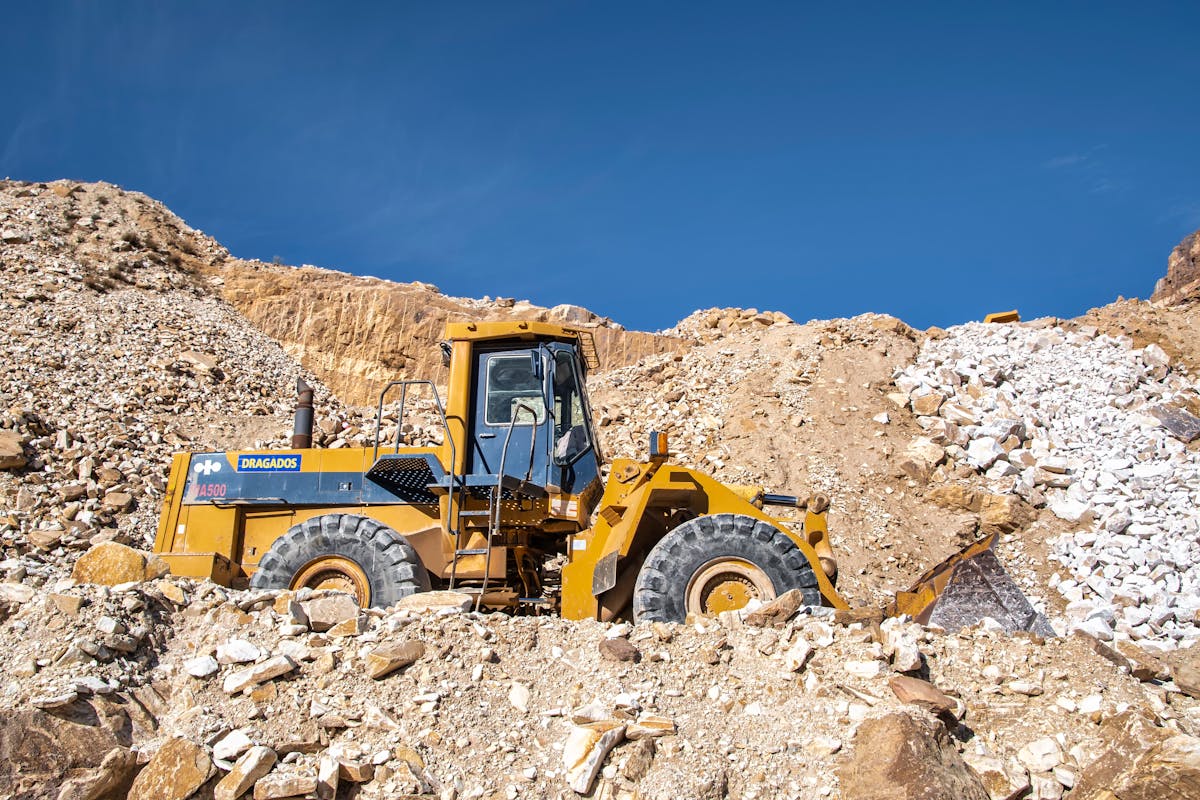
Methods, History, and Environmental Responsibility in Africa
Gold has long been one of the most coveted minerals on Earth, admired not only for its beauty but also for its role in shaping economies, cultures, and societies. In Africa, gold exploration and mining are at the heart of development strategies, offering opportunities for economic growth, job creation, and foreign investment. Yet behind every mine lies a meticulous and science-driven process known as gold exploration. This process is a blend of geology, chemistry, physics, historical research, and modern technology. It is also a story of responsibility, as exploration today must balance economic potential with environmental stewardship.
This article takes readers inside the exploration process, examining how companies locate deposits, test their value, and plan future mines. It also highlights the role of historical records in guiding discovery and discusses the critical environmental considerations that must shape Africa’s mining future.
The Foundation of Exploration: Geological Mapping
Exploration begins with understanding the land. Geologists carefully map rock formations, structures, and fault systems that could host gold deposits. These maps reveal patterns and controls that influence mineralization. For instance, gold often occurs along shear zones, greenstone belts, or intrusive contacts. By studying surface rocks and structures, geologists narrow the search to areas most favorable for mineralization.
In Africa, geological mapping has been ongoing since the colonial era. Institutions such as the Geological Survey of Zimbabwe and the Council for Geoscience in South Africa have published detailed bulletins and maps that remain invaluable. Many exploration teams still begin their work by consulting these archives before stepping into the field. Historical mapping provides a baseline, reducing duplication and saving costs.
Historical Records: Using the Past to Guide the Future
Gold exploration is not only about new technology; it is also about learning from history. Previous exploration efforts, old mining reports, and geological bulletins provide critical information for modern projects. These documents contain descriptions of past drilling, assay results, and notes on mineral occurrences. Often, they highlight deposits that were too small to be mined profitably decades ago but are now viable thanks to improved technology and higher gold prices.
For example, the Geological Survey of Zimbabwe has produced bulletins since the early 1900s, documenting occurrences in greenstone belts such as those in Mazowe, Kwekwe, and Gwanda. Modern exploration companies regularly consult these records to identify areas with historical workings. Similarly, South Africa’s Council for Geoscience holds archives of Witwatersrand Basin studies, which remain the foundation of the world’s most famous goldfield.
Other countries, such as Ghana, Tanzania, and Mali, also maintain geological archives. In Ghana, records of small-scale operations from the Ashanti Belt provide clues to future large-scale mining. Tanzania’s Geological Survey Department maintains a database of historic exploration licenses, guiding modern investment. These historical references ensure that exploration does not start from scratch but builds on decades of accumulated knowledge.
Geochemical Sampling: Searching for Chemical Clues
Once target areas are defined, exploration teams move to geochemical sampling. Soil, stream sediments, and rocks are systematically collected and tested for gold and associated trace elements. Even when gold itself is not directly detected, pathfinder elements such as arsenic, bismuth, and copper provide strong evidence of mineralization.
In Africa, this method has proven effective in areas with thick soil cover where gold is hidden beneath the surface. Sampling campaigns often cover wide areas, generating detailed maps of geochemical anomalies. These anomalies then guide more focused surveys and drilling.
Geophysics: Looking Beneath the Earth
Geophysical surveys add another layer of precision. By measuring variations in the Earth’s magnetic, gravitational, and electrical fields, geophysicists can infer the presence of hidden structures and rock types. Airborne surveys, using aircraft fitted with magnetic and electromagnetic sensors, cover hundreds of square kilometers quickly. Ground-based surveys then provide higher resolution in selected zones.
These methods are particularly important in Africa, where weathering and vegetation often obscure surface geology. By looking beneath the surface, geophysics helps identify structures that may host gold-bearing veins or disseminated mineralization.
Remote Sensing: Technology Meets Exploration
The use of satellites and drones has revolutionized exploration. Remote sensing captures images in visible, infrared, and radar wavelengths, allowing geologists to detect subtle changes in vegetation or soil color. These changes often reflect underlying hydrothermal alteration zones associated with gold mineralization.
In Africa’s vast landscapes, remote sensing reduces time and cost, enabling explorers to prioritize areas before committing to fieldwork. Combined with GIS (Geographic Information Systems), remote sensing integrates seamlessly with geochemical and geophysical data to produce comprehensive exploration models.
Trenching, Pitting, and Drilling: Testing the Ground
At some stage, explorers must physically test the ground. Trenching and pitting expose subsurface rock and provide direct samples for analysis. Where anomalies are strong, drilling begins. Core drilling produces cylindrical samples that preserve geological structures, while reverse circulation drilling generates rock chips for rapid analysis.
Drilling provides the most reliable data on gold grades, thickness, and ore continuity. Assay testing in laboratories then determines the concentration of gold, usually reported in grams per ton. Deposits with high grades and significant tonnage proceed to resource estimation and feasibility studies.
3D Modeling: Turning Data into Vision
Modern exploration relies on advanced 3D modeling software. Data from mapping, sampling, geophysics, and drilling is combined to create three-dimensional models of ore bodies. These models allow geologists to estimate resources with greater accuracy and help engineers design mine layouts. Investors also rely on these models to assess project viability.
Environmental Considerations: Mining with Responsibility
While exploration promises economic rewards, it also carries environmental responsibilities. Today, no serious project can ignore environmental and social impacts. Environmental Impact Assessments (EIAs) are mandatory in most African countries. These studies evaluate the effects of exploration and mining on biodiversity, water resources, air quality, and communities.
For example, trenching and drilling may disturb ecosystems. Dust, noise, and waste management must be carefully controlled. Companies are also expected to consult local communities, ensuring that exploration does not disrupt livelihoods or cultural sites. In regions like Ghana’s Ashanti Belt or Tanzania’s Lake Victoria Goldfields, community engagement is critical to maintaining project stability.
As global investors increasingly prioritize Environmental, Social, and Governance (ESG) standards, African exploration companies must adopt best practices. This includes reducing carbon footprints, rehabilitating disturbed land, and ensuring fair benefit-sharing with local communities. At Sevenza, we believe responsible exploration is not optional, it is the foundation of sustainable mining.
Africa’s Role in the Global Gold Future
Africa continues to play a central role in global gold supply. South Africa’s Witwatersrand Basin remains one of the world’s greatest gold provinces. Ghana, now Africa’s top gold producer, leads the way in West Africa. Mali and Burkina Faso have become major contributors, while Tanzania and Ethiopia are attracting new investments. Each of these countries combines geological potential with historical data and modern exploration techniques.
The challenge ahead lies in ensuring that exploration supports sustainable development. Historical records guide discovery. Modern technology reduces risk. Environmental responsibility ensures long-term benefits. Together, these elements define the future of African gold exploration.
Discover more from sbnn
Subscribe to get the latest posts sent to your email.


 James Daniel